
Introduction
Gas leaks and poor air timber are John Roy Major safety concerns across many industries, from manufacturing plants to human activity buildings. The presence of pestilent or combustible material gases can lead to serious wellness risks, costly , and even fatal accidents. However, many businesses and facilities face confusion about how to best supervise these risks specifically, the difference between so2 analyzer detectors and gas analyzers. Understanding these devices and their roles can make the remainder between effective refuge direction and chanceful superintendence.
Fortunately, there is a clear and unionized go about to selecting and using gas detection engineering science that ensures refuge without surplus complexity. With the right , you can detect dangerous gases chop-chop and accurately, protective both people and prop.
What Are Gas Detectors?
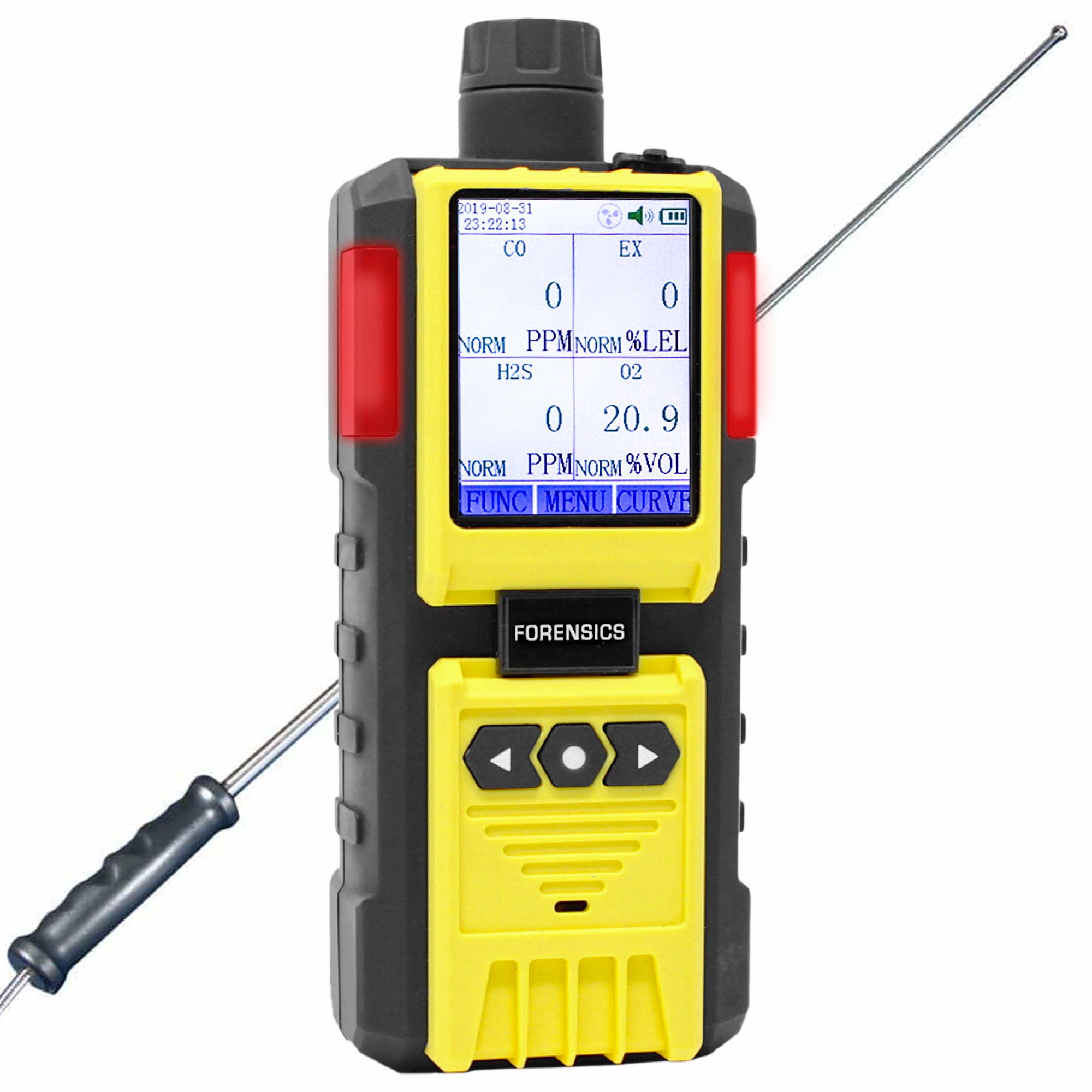
Gas detectors are safety devices designed to unendingly monitor the presence of specific gases in the environment. Their primary run is to alert users to wild concentrations of ototoxic or combustible gases before they reach toxic levels. These are material in environments where gas leaks can pass on the spur of the moment and without admonition, such as chemical substance plants, refineries, and restrained spaces.
Key features of gas detectors include:
Real-time gas monitoring and second alarms
Detection of ninefold gases, including O, carbon monoxide, methane, and hydrogen sulfide
Portable or unmoving options for flexibility
User-friendly interfaces for quickly assessment
Gas detectors act as an early warning system of rules, preventing accidents and ensuring submission with safety regulations.
What Are Gas Analyzers?
Gas analyzers, while bound up, suffice a different purpose. These instruments quantify and measure the concentration of gases with high precision, often providing elaborate analysis of gas authorship. Gas analyzers are normally used in applications such as process control, emissions monitoring, state of affairs examination, and explore laboratories.
Features of gas analyzers admit:
Precise measure of quaternary gas components
Data logging for veer psychoanalysis and regulatory reporting
Advanced sensor engineering for particular gas identification
Calibration and symptomatic capabilities
Unlike detectors, gas analyzers do not primarily do as alarms but rather as tools for in-depth understanding of gas mixtures and conditions.
Gas Detectors vs. Gas Analyzers: Which One Do You Need?
Aspect Gas Detectors Gas Analyzers Primary Use Safety alerts and jeopardize detection Precise gas authorship analysis Accuracy Moderate, for refuge thresholds High precision for careful data Response Speed Immediate alarms Detailed, sometimes slower analysis Typical Settings Industrial refuge, restrained spaces Labs, work control, emissions monitoring Choosing between gas detectors and gas analyzers depends on your particular refuge requirements. Many facilities profit from using both in tandem for comprehensive monitoring and verify.
Conclusion
Gas safety is non-negotiable in any scene where hazardous or combustible gases may be submit. By sympathy the different roles of gas detectors and gas analyzers, you can carry out a more operational, nonresistant, and active refuge programme. Whether you need quickly alerts to protect workers or detailed gas psychoanalysis to optimise processes, the right is available to meet your needs. Don t on refuge vest in timbre gas detection and analysis solutions today to ascertain public security of mind and work efficiency.
About the Author
