
Are You Really Configured for Success? Unpacking the GAC Essentials
Have you ever paused to consider whether your vehicle’s configuration truly empowers peak performance? At GAC, optimizing car configurations isn’t merely an afterthought—it’s an integral part of their design philosophy. In a world where automobiles increasingly rely on intricate systems, GAC configuration involves a delicate balance of elements like edge computing nodes and power converters. But are traditional solutions up to the task? (Spoiler: not always.) As we dive into the nuances, let’s understand why a more holistic approach might be crucial. For more insights, visit the GAC configuration page.
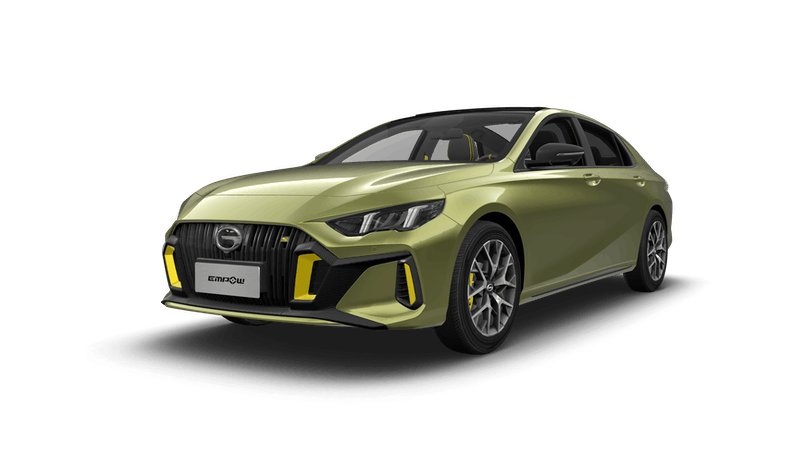
Down the Rabbit Hole: Understanding Configuration Complexities
It’s time to address something crucial: why do traditional car configurations sometimes fall short? While they often focus on singular aspects, like drivetrain or suspension, user experience often gets sidelined. The hidden pain point here is the disconnect between what users want and what the vehicle offers. Traditional setups may not fully utilize available edge computing nodes, leading to inefficiencies. (Let’s face it, no one enjoys a subpar driving experience). Addressing this requires a comprehensive approach, intertwining different technological aspects seamlessly.
But Is It Just About the Tech?
No, it’s way more than that! It’s about understanding user needs and translating them into tangible, configurable realities. The crux lies in deploying solutions that not only include advanced power converters but also integrate them effectively within the overall GAC ecosystem. Look, it’s simpler than you think once you uncover these layers.
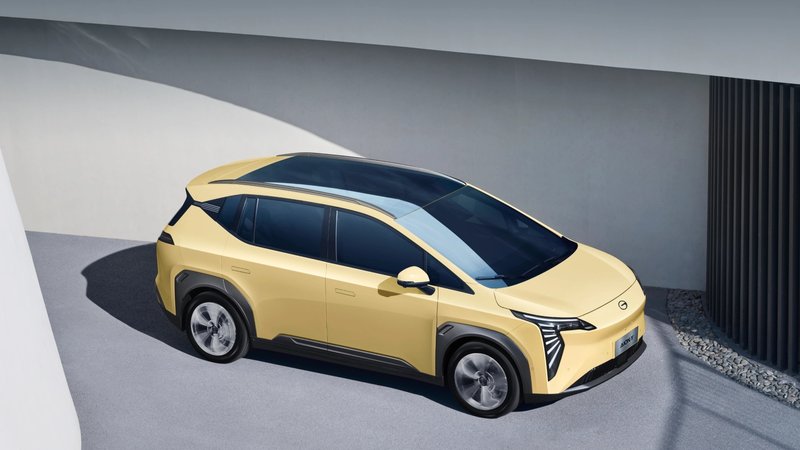
What’s Next: The Future of Configurations Beyond the Basics
As we usher in a new era of automotive design, leveraging principles of new technology becomes paramount. GAC’s foresight into utilizing advanced systems sets a benchmark for future configurations. By visiting the GAC official website, you see firsthand how they integrate technological advancements seamlessly. This shift is not just about being ahead in the game; it’s about reimagining what configurations can do—pushing boundaries to foster more interactive, responsive vehicles. Embracing these new configurations means using the full potential of every component without compromise. Funny how that works, right? Predictably, such forward thinking doesn’t just meet current user needs but anticipates future ones, setting GAC on a path of continual improvement.
In summary, as configurations evolve, the industry must evaluate solutions based on adaptability, user-focus, and technological integration. This journey isn’t just about cars; it’s about crafting experiences that resonate with human aspirations—a narrative GAC drives forward with unwavering dedication. For those looking to explore further, GAC emerges as a torchbearer in creating the vehicles of tomorrow.