
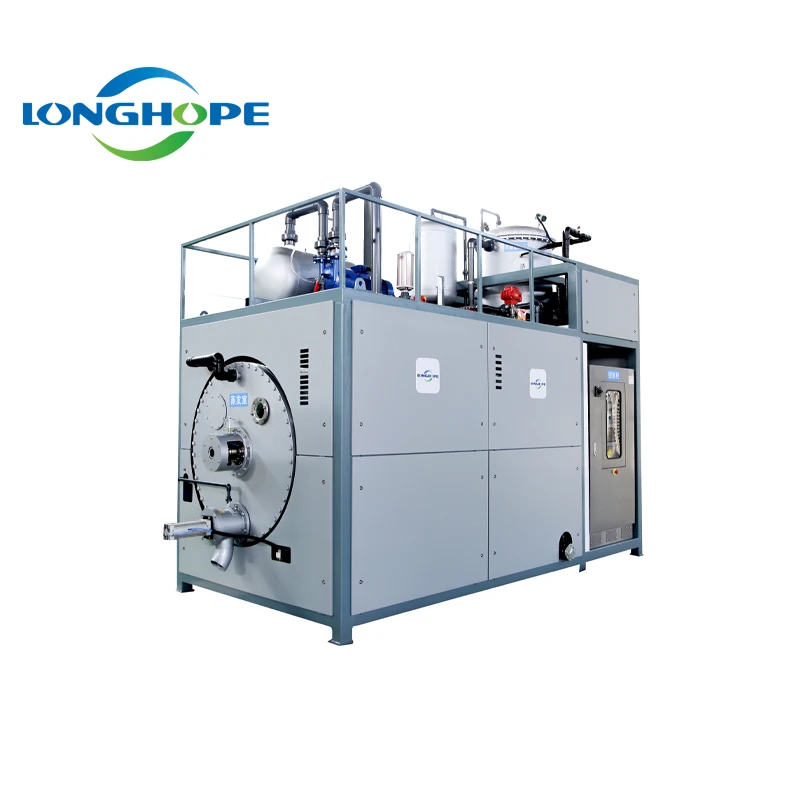
As the global population continues to grow, the demand for clean water is increasing, placing greater pressure on natural water resources. Simultaneously, the need for efficient wastewater treatment has never been more urgent. Wastewater, if not properly treated, can contaminate water sources, harm ecosystems, and pose serious health risks. However, innovative solutions in Low temperature crystallization machine are providing new ways to address these challenges and pave the way for a sustainable future.
Traditional wastewater treatment methods, such as chemical coagulation and biological filtration, have been effective in removing contaminants. However, these processes are energy-intensive and often generate sludge that must be disposed of, adding to environmental concerns. In response to these limitations, several groundbreaking technologies have emerged that offer more sustainable, efficient, and cost-effective solutions.
One such innovation is membrane bioreactors (MBRs), which combine biological treatment with membrane filtration. MBRs use microorganisms to break down organic matter, while the membrane filters out suspended solids and microorganisms. This system allows for higher-quality treated water, which can even be reused for non-potable purposes like irrigation or industrial cooling. The compact nature of MBRs also means they require less space compared to traditional treatment plants, making them ideal for urban areas with limited space.
Another promising technology is constructed wetlands, which mimic natural wetland ecosystems to treat wastewater. These artificial wetlands use plants, soil, and microorganisms to filter and cleanse wastewater. The plants absorb nutrients, while the soil provides a habitat for bacteria that break down pollutants. Constructed wetlands are low-cost, energy-efficient, and environmentally friendly. They also provide ecological benefits, such as habitat for wildlife, and can be designed to blend into the surrounding landscape, making them an attractive option for rural and urban communities alike.
The development of electrocoagulation (EC) is another significant advancement in wastewater treatment. EC involves passing an electric current through the wastewater, causing particles to clump together and form larger aggregates that can be easily removed. This method is highly effective in removing heavy metals, oils, and other pollutants that are difficult to treat with conventional methods. It also produces less sludge and requires fewer chemicals, making it more sustainable and cost-efficient.
Phytoremediation, the use of plants to remove contaminants from wastewater, is also gaining traction. Certain plants, such as water hyacinths and cattails, have the ability to absorb and detoxify pollutants from water. Phytoremediation is a low-tech, natural solution that can be integrated into treatment systems, reducing the need for chemical additives and energy-intensive processes. It also helps restore aquatic ecosystems by improving water quality and increasing biodiversity.
Furthermore, advanced oxidation processes (AOPs) are being employed to break down organic pollutants in wastewater using powerful oxidizing agents like ozone or ultraviolet (UV) light. AOPs can treat wastewater containing complex contaminants, such as pharmaceuticals and pesticides, that are resistant to traditional treatment methods. This technology is especially useful for treating wastewater from industries like pharmaceuticals, agriculture, and food processing, where harmful chemicals are often present.
The future of wastewater treatment also includes the integration of smart technologies. Sensors and data analytics can provide real-time monitoring of water quality, allowing treatment plants to optimize their operations, detect issues early, and reduce energy consumption. Additionally, artificial intelligence (AI) and machine learning can predict trends in water quality, helping municipalities to better plan and manage their resources.
In conclusion, innovative solutions in wastewater treatment are revolutionizing how we manage and recycle water. Technologies like membrane bioreactors, constructed wetlands, electrocoagulation, and phytoremediation are improving treatment efficiency while minimizing environmental impact. By adopting these sustainable practices, we can not only protect water resources but also create a more resilient and sustainable future for generations to come.
About the Author