
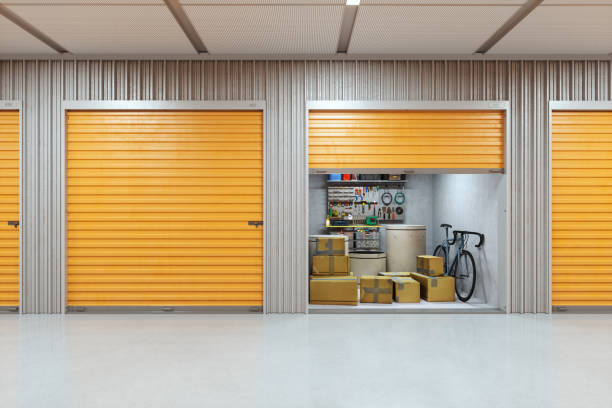
In today’s world, space is often at a premium. Whether you're living in a bustling city with limited square footage or dealing with the overflow of seasonal items in your home or business, finding extra storage can become a challenge. This is where 倉庫出租 comes in as a highly effective solution, offering a flexible, secure, and convenient way to manage your belongings without the need for larger living or office spaces.
What Exactly is Self-Storage?
Self-storage refers to the rental of space or a unit within a facility where individuals or businesses can store their belongings. The beauty of self-storage is in its simplicity and accessibility. Facilities offer various unit sizes to meet a wide range of needs, from small lockers for personal items to larger spaces suitable for furniture, equipment, and even vehicles. Most self-storage providers offer 24/7 access, meaning customers can store and retrieve their items whenever it suits them, adding an element of flexibility that is highly valued by users.
Why Self-Storage is Becoming Essential
Self-storage is no longer just for people who are moving house or decluttering; it has become an essential service for individuals and businesses dealing with a variety of space-related challenges. Here are some key reasons for the growing demand for self-storage:
1. Convenient for Life Transitions
Life can be unpredictable, and many life transitions require additional space. Moving homes, downsizing, or even renovating a property can create a temporary need for storage. Self-storage provides an easy and secure solution during these times, giving people the flexibility to store their belongings while they navigate major life changes. For instance, someone moving into a smaller apartment may not have room for all their items and can store them in a self-storage unit until they decide what to keep, sell, or donate.
2. Business Storage Needs
Businesses also rely heavily on self-storage to help manage inventory, documents, and equipment. Start-ups and small businesses, in particular, can benefit from self-storage units, as they provide an affordable alternative to renting large commercial spaces. Instead of cluttering up an office with excess inventory or seasonal stock, businesses can keep such items in a self-storage facility and access them as needed. Self-storage can also be ideal for seasonal business items like holiday decorations or marketing materials that don’t need to be stored in the office year-round.
3. A Solution to Clutter
In an age of consumerism, we accumulate a lot of stuff. Over time, items that we no longer use but are hesitant to part with begin to take up precious space in our homes. Self-storage provides an ideal solution for managing clutter while still holding onto possessions with sentimental value or potential future use. Whether it’s old furniture, clothing, or collectibles, self-storage ensures that these items are kept safe and organized without overwhelming the living space.
4. Security and Peace of Mind
One of the main concerns with storage is security. Self-storage companies understand the importance of keeping your belongings safe. Most facilities are equipped with 24/7 surveillance cameras, well-lit areas, and secure entry points. Some even have on-site staff to monitor the facility and ensure the safety of your items. Furthermore, many units offer additional protection in the form of climate control, which is important for items sensitive to temperature or humidity, such as electronics, photographs, or antiques.
5. Cost-Effectiveness
When compared to leasing extra office space or moving to a bigger home to accommodate additional belongings, self-storage is often a more cost-effective solution. Renting a self-storage unit allows individuals and businesses to access additional space at a fraction of the cost of a larger home or office. The convenience of being able to store items as needed, without long-term commitments, offers a budget-friendly way to manage belongings.
Different Types of Self-Storage Units
Self-storage units come in various sizes and types to accommodate different needs. The range of options means that customers can find the right solution tailored to their storage requirements:
-
Standard (Non-Climate-Controlled) Units: These are the most common type of self-storage and are perfect for storing everyday items like furniture, boxes, or seasonal decorations. They are ideal for belongings that don’t require temperature or humidity regulation.
-
Climate-Controlled Units: For sensitive items, such as electronics, artwork, musical instruments, and important documents, climate-controlled units are a must. These units maintain a stable temperature and humidity level, preventing damage caused by extreme weather.
-
Drive-Up Units: These units allow you to drive your vehicle directly to the unit, making it incredibly easy to load and unload large or bulky items. They are perfect for storing heavy furniture, appliances, or equipment that would be difficult to carry long distances.
-
Vehicle Storage: Many self-storage facilities offer space for vehicles, such as cars, boats, or RVs. This type of storage is particularly useful for people with limited driveway or garage space or for those who need to store their vehicles for an extended period.
-
Mobile Storage: Some storage providers offer portable storage units that are delivered to your location. You can load them at your own pace, and once you're finished, the provider will transport the unit to a secure facility.
How to Choose the Right Self-Storage Facility
With so many self-storage options available, selecting the right facility can seem overwhelming. To make sure you choose the best one for your needs, here are a few factors to consider:
-
Location: Choose a facility that is conveniently located to minimize the time spent retrieving or storing items. If you need to access your unit regularly, look for one that’s close to your home or workplace.
-
Security Features: A good self-storage facility should offer comprehensive security measures, including surveillance cameras, secure fencing, and access control. Check if the facility has staff on-site or if they offer 24/7 monitoring to keep your belongings safe.
-
Unit Sizes and Availability: Ensure the facility offers a variety of unit sizes to match your specific needs. A good facility should have enough availability to offer you the right amount of space without having to overpay for unused room.
-
Access Hours: Look into the facility’s access hours. Many self-storage providers offer 24/7 access, but some have limited hours. Choose one that fits your schedule.
-
Pricing and Flexibility: Compare prices and rental terms at different facilities. Be sure to inquire about discounts for long-term rentals or special promotions.
The Future of Self-Storage
As urban living continues to grow and people continue to value flexibility in their lifestyles, the demand for self-storage is expected to keep increasing. Technological advancements, such as smart locks and app-controlled access, are making it easier for customers to manage their storage units remotely. Additionally, the rise of e-commerce and online businesses will likely drive up the need for storage solutions for inventory and logistics.
Conclusion
Self-storage is more than just a space-saving solution—it's an essential part of modern living, offering convenience, flexibility, and security for individuals and businesses alike. Whether you're looking to declutter your home, store seasonal inventory for your business, or simply need extra space during a life transition, self-storage provides a secure and cost-effective solution. As the need for flexible living and working spaces continues to grow, self-storage will undoubtedly remain a key player in helping people manage their possessions in an increasingly crowded world.
About the Author