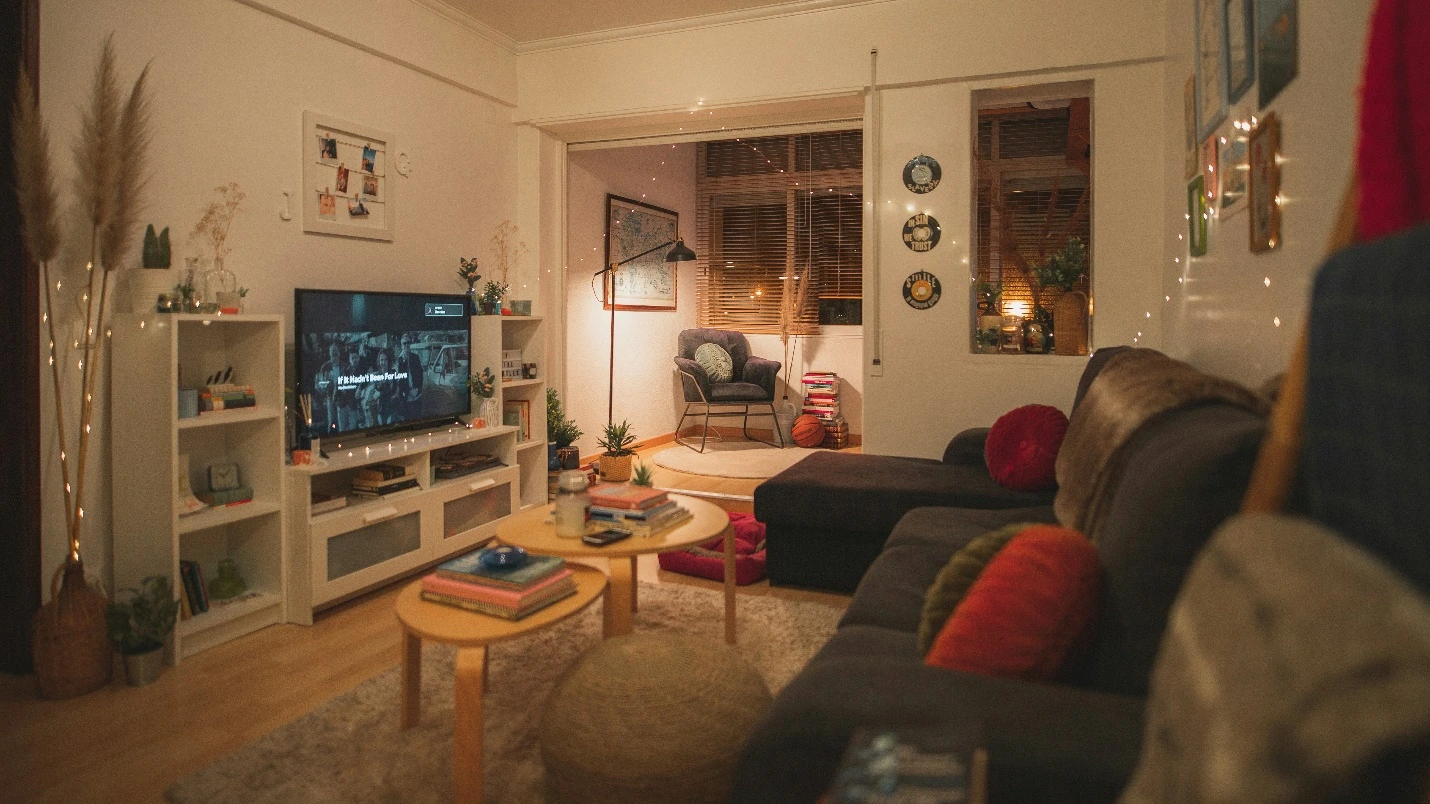
Furniture is often described in realistic damage tables, chairs, beds, shelves but its true import goes far beyond function. Where wood meets soul, article of furniture becomes a quiet teller, shaping not only our homes but also our memories, routines, and feel of belonging. Each piece carries the imprint of human men, thoughtful design, and the lives that extend around it.
At its core, piece of furniture begins with wood, a living stuff wrought by time, mood, and growth. Every grain line tells a news report of seasons passed age of rain, sun, and resiliency. When artisans transform wood into piece of furniture, they do more than cut and put together; they interpret nature into something suggest and patient. The warmness of oak, the elegance of walnut tree, or the simplicity of pine brings a natural presence inside, grounding modern life in something ancient and familiar spirit.
Yet furniture does not truly come sensitive until it enters a home. A dining hold over, for example, is never just a rise up. It is where syndicate meals become daily rituals, where conversations extend long after plates are clear-cut, and where celebrations and arguments alike leave undetectable marks. Over time, moderate scratches, worn edges, and washy finishes become a ocular of distributed experiences. These imperfections are not flaws; they are memories made panoptic.
Chairs, too, a hush closeness. A recital moderate by a window may hold unnumbered hours of solitude, reflection, or head for the hills into books. A rocking chair might generations, comfortable infants and offering solace to ripening bodies. Even the simplest tiller in a kitchen becomes part of daily rhythms promptly breakfasts, late-night snacks, moments taken between tasks. Furniture supports us physically, but it also supports the emotional of quotidian life.
Beds perhaps hold the deepest connection between wood and soul. They see our most vulnerable moments kip, dreams, illness, recovery, and love. The steady cast at a lower place a mattress provides more than social structure; it offers safety and rest in a worldly concern that often feels ungratified. Over years, a bed becomes synonymous with soothe, a place where days begin and end, and where life s transitions quietly stretch.
The craft behind furniture plays a material role in this feeling bond. Handmade pieces, in particular, the presence of their makers. Careful joints, equal proportions, and serious-minded details reflect solitaire and aim. Even in mass-produced article of furniture, good design shows abide by for the user s life anticipating social movement, solace, and longevity. When furniture is made to last, it invites a long-term family relationship, ontogeny more substantive with time rather than disposable or temporary worker.
Furniture also shapes the character of a home. A minimalist shelf suggests calm and pellucidity, while a richly sculptured locker evokes tradition and heritage. The choices we make reflect who we are and how we want to live. A home furnished with care feels subjective, not because it is hone, but because it is truthful. It tells visitors a report without dustup, revelation values, tastes, and histories through wood, framework, and form.
In a fast-paced, digital worldly concern, furniture remains reassuringly concrete. We touch it every day. We lean on it, pucker around it, and rely on it without intellection. Where wood meets soul, möbelfolie becomes more than an object it becomes a companion to life itself. Long after trends fade, the right pieces continue to hold space for living, memory, and simply being at home.
About the Author